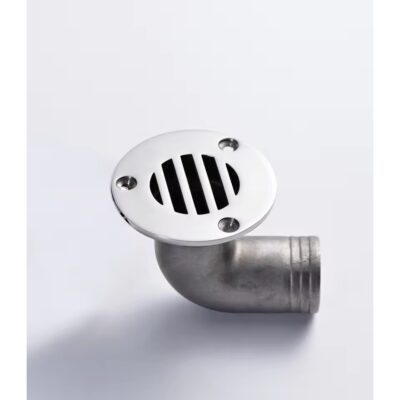
Deck Fillers and Drains: Product Selection, Materials and Installation
Keyed and keyless caps use different access methods. Drain plugs close compatible outlets, while through-hull and floor drains connect openings to the vessel drainage arrangement. Hengke organizes this range into 4 product groups so that buyers can compare the intended connection, mounting method and component geometry before requesting a quotation. The product pages provide a starting point for discussion; the approved drawing and project specification establish the final supply requirements.
Understanding the Product Arrangement
Specify cap markings and gaskets for water, fuel or waste service. Define hose tails, threads, mounting thickness, sealing and any required valve arrangement with the vessel designer. Start with the function of the complete assembly, then identify the components needed at each interface. A photograph can show the general shape, but it does not establish hidden dimensions, fastener engagement, seal compatibility or the suitability of the supporting structure. Provide a marked drawing or installation sketch when the connection cannot be described clearly by a product name.
Materials and Surface Finish
The material selection for this range is 316 stainless steel or specified marine-grade alloy. State the required material standard and any documentation or verification needed with the order. The selected grade must suit the actual exposure, contact materials and cleaning regime. Stainless steel still needs appropriate cleaning and drainage; a polished appearance does not remove the need to select a suitable alloy.
Agree the visible finish, texture and permitted variation before production. When parts are installed together, specify whether their grain direction or polished appearance must match. Protect finished surfaces during transport and fitting, and avoid contamination from unsuitable tools or neighboring fabrication work. Where elastomers, glass, coatings or mechanisms are included, define their requirements separately from the metal component.
Product Groups in This Category
Compare the following groups by their intended function and connection details. Similar external outlines can conceal different mounting dimensions or operating arrangements. Follow the individual product links for the corresponding specification and drawing-review information.
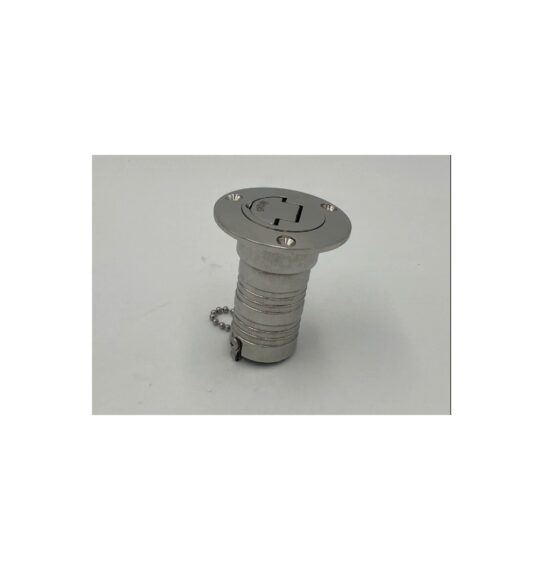
- Keyed Deck Fillers: key-operated recessed cap. Specify hose bore, deck cutout, cap marking and seal compatibility for the service medium.
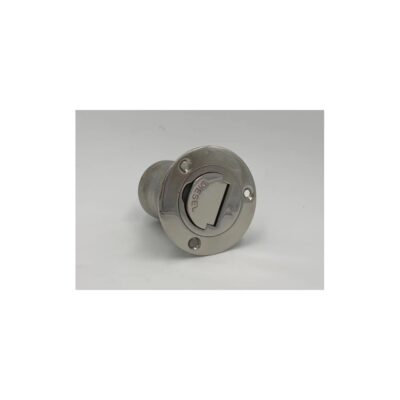
- Keyless Deck Fillers: integral handle for cap removal. Confirm handle clearance, hose connection, cap retention and gasket material.
- Marine Drain Plugs: removable plug closing a drain body. Match plug thread, seat and gasket; check removal access and plug retention.
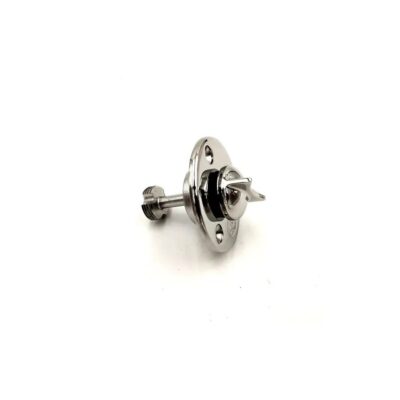
- Through-Hull and Floor Drains: outlet directing water through a hull or floor. Define outlet bore, mounting thickness, waterline position and required valve arrangement.
Dimensions, Fit and Installation Review
The principal selection factors are service medium, hose dimensions and waterline location. Identify the dimensions that control assembly and distinguish these from general envelope dimensions. Show the mating parts, installation orientation, available tool space and any movement required in service. State nominal sizes together with the tolerances or fit requirements that make the parts work together.
For vessel installations, coordinate deck or hull thickness, backing support, sealing, fastener access and the position relative to nearby equipment. Where a fitting relates to anchoring, mooring, electrical equipment or a moving mechanism, the responsible vessel designer should confirm the complete arrangement and required ratings. Trial-fit the first assembly before committing to repeated drilling, cutting or installation.
Manufacturing and Inspection
The manufacturing route may include casting, machining and polishing, with the exact operations selected for the approved part configuration. Review critical interfaces and finishing allowances before manufacture. Required inspection can include dimensional checks, visual surface examination and verification of specified materials or operating features. Any special testing, traceability or load verification must be agreed in the purchase specification.
Use the same drawing revision for quotation, sample review and production acceptance. If a sample is supplied, identify which dimensions or features it defines and which requirements remain on the drawing. Record approved changes so repeat orders retain the same mating interfaces, finish and inspection basis.
Information for a Product Quotation
Send a clear specification with the following details so the correct configuration can be reviewed:
- Product group, drawing revision and required quantity.
- Material grade, surface finish and visible appearance requirements.
- Connection dimensions, mounting pattern, mating parts and installation orientation.
- Service environment, functional requirements and any agreed testing or documentation.
- Delivery schedule, packaging needs and sample approval requirements.
Use the enquiry form beside this article or contact Hengke Casting with your drawings and installation information. We will review the component configuration, manufacturing requirements and inspection needs before preparing a quotation.