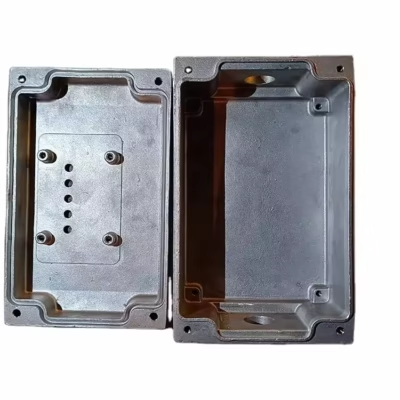
Investment Castings: Materials, Manufacturing and Product Selection
Investment casting produces metal components with complex profiles, detailed features and repeatable geometry. For equipment manufacturers, the process can combine several functional features in one casting and reduce the amount of material removed during machining. Hengke Casting supplies drawing-based stainless steel, carbon steel and alloy steel components for machinery, pumps, valves and industrial assemblies.
What Is Precision Investment Casting?
The process begins with a wax pattern representing the component geometry. Patterns are assembled into a tree and coated with layers of ceramic slurry and refractory material. After the shell dries, the wax is removed and molten metal is poured into the prepared mould. Once the casting has cooled, the ceramic shell and gating system are removed before cleaning, inspection and any specified heat treatment.
Investment casting creates the basic part shape; it does not remove the need to review critical dimensions. Sealing faces, bearing locations, threaded connections and closely controlled mounting surfaces may require CNC machining. The casting drawing and machining drawing should identify these interfaces so that allowances, inspection methods and acceptance criteria can be agreed before production.
Choosing Stainless Steel, Carbon Steel or Alloy Steel
Material selection depends on the operating environment, mechanical loading, temperature and required finishing process. A familiar grade name alone is not enough to establish suitability. Customers should specify the applicable material standard, chemical composition or mechanical-property requirements, together with any heat treatment and testing needed for the component.
- Stainless steel investment castings: a common choice for components exposed to moisture, cleaning chemicals or corrosive media. Grades such as 304 and 316 are reviewed against the actual service conditions and drawing requirements.
- Carbon steel investment castings: suitable for many machinery brackets, connecting parts and transmission components where strength, machinability and cost are key considerations. Surface protection should be specified for the operating environment.
- Alloy steel investment castings: used where the design calls for a particular combination of strength, toughness or wear performance. Heat treatment, hardness and functional-surface requirements need to be defined together.
Investment-Cast Products for Industrial Equipment
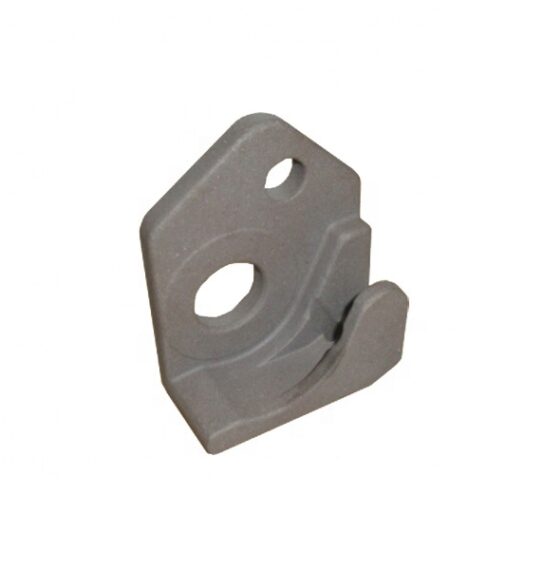
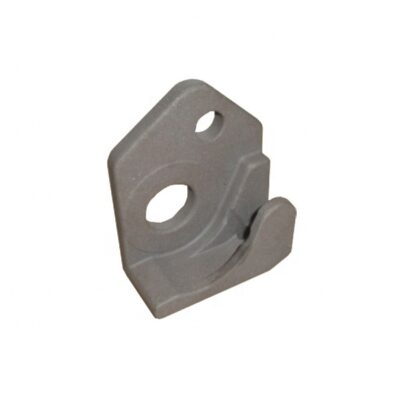
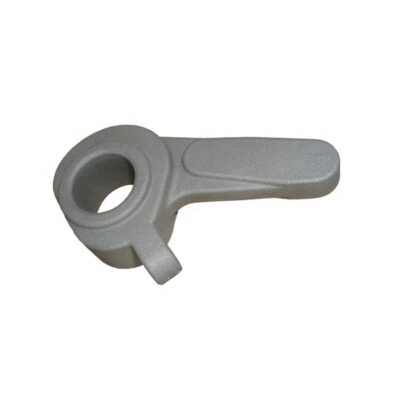
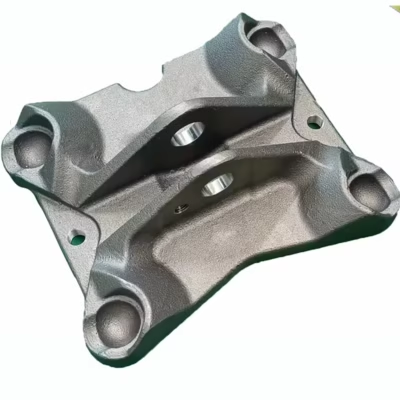
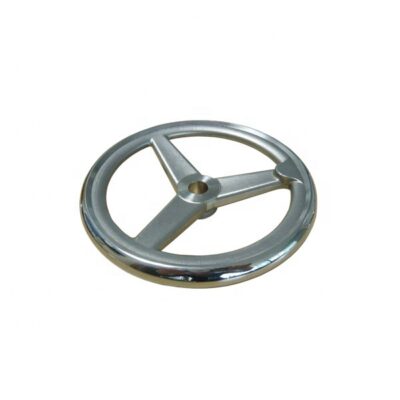
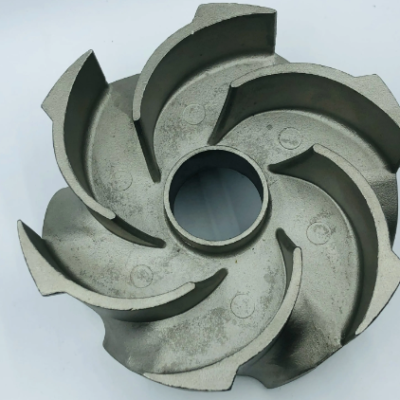
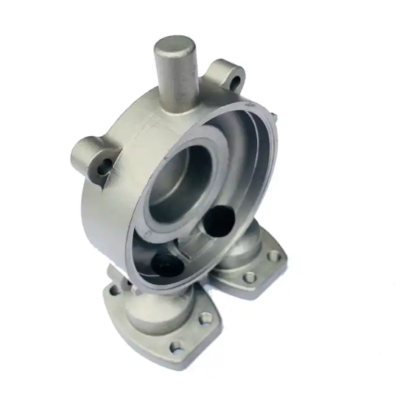
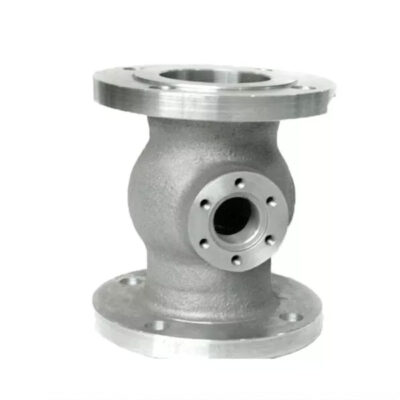
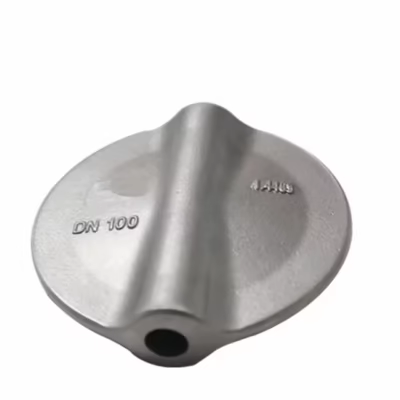
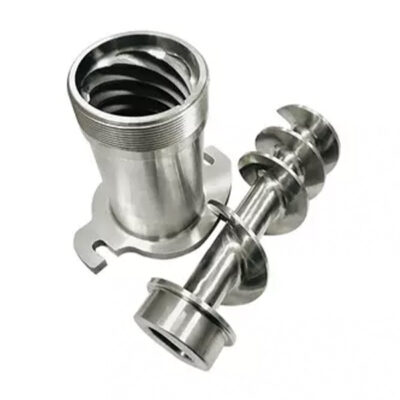
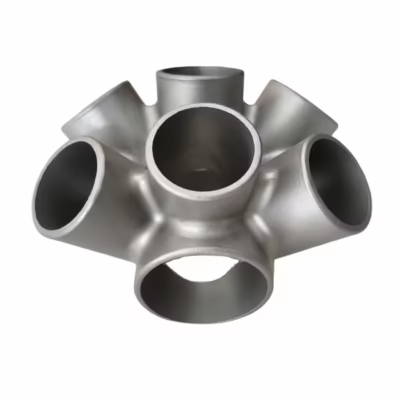
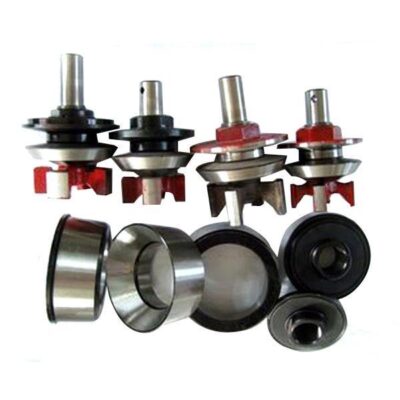
This product family covers twelve groups, each with its own component geometry and inspection priorities. Use the product pages above to review the relevant casting type, then provide the dimensions and operating requirements for a project-specific manufacturing review.
Machining, Finishing and Inspection
After casting, finishing operations are selected around the component function. These may include trimming, blasting, grinding, machining, polishing or a specified protective treatment. Machining allowances should be concentrated on functional surfaces, while cosmetic requirements should identify the visible faces and acceptable surface condition.
The inspection plan should distinguish general casting dimensions from critical machined dimensions. Material verification, dimensional reports, hardness checks and any specified non-destructive or pressure testing can then be agreed against the purchase specification. Requirements depend on the part and application; they should not be assumed from a product photograph.
When to Use Investment Casting
Investment casting is worth evaluating when a component combines complex contours, multiple features or a material that would be costly to machine entirely from solid stock. The decision should consider tooling, annual demand, material yield, finishing work and inspection costs together. Very simple shapes or frequently changing designs may call for a different manufacturing route.
What to Send for a Casting Quotation
- A dimensioned drawing and, where available, a 3D model with the drawing revision clearly identified.
- The material grade and standard, heat treatment, hardness and any required material documentation.
- Critical tolerances, machined surfaces, threads, sealing faces and assembly interfaces.
- Surface finish, appearance, coating, inspection and application-specific acceptance requirements.
- Prototype quantity, expected annual volume, delivery schedule and packaging requirements.
Send your drawing and requirements through the enquiry form beside this article or contact Hengke Casting. Our team will review the proposed material, casting geometry, machining operations and inspection requirements before preparing a quotation.