CNC Machined Parts: Materials, Processes and Drawing Requirements
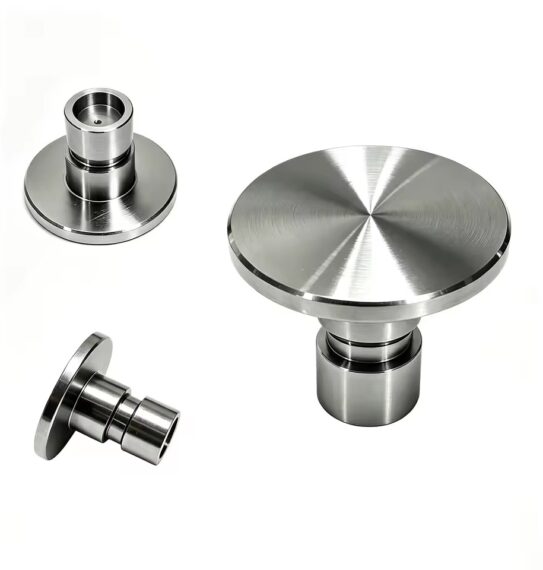
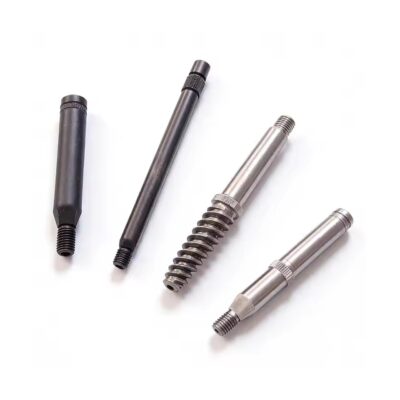
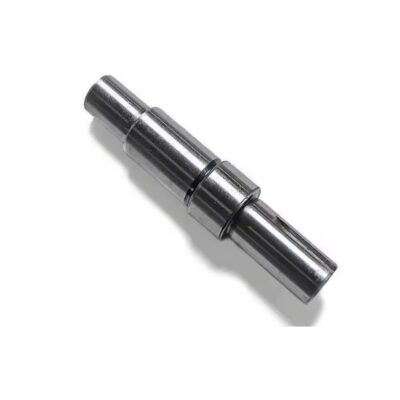
CNC machining produces metal components by removing material with controlled cutting tools. Turning, milling, drilling and threading create the features that allow a part to locate, connect, seal or move within an assembly. Hengke Casting supports drawing-based machining of stainless steel, alloy steel and other specified metals for machinery, fluid equipment and instrument components.
What Are CNC Machined Parts?
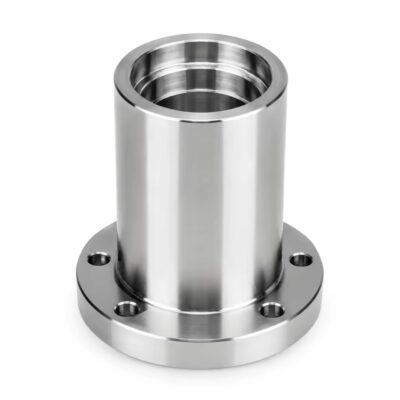
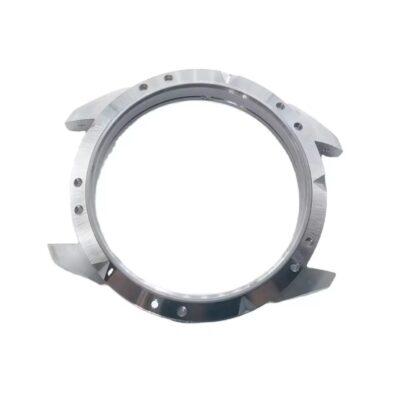
A CNC-machined part is manufactured from an approved drawing and a programmed machining sequence. The starting material may be solid bar, tube or a suitable prepared blank. Turning is commonly used for cylindrical features, while milling forms flats, pockets, slots and mounting profiles. Drilling, boring and threading complete the connection and assembly features required by the component design.
The manufacturing route should follow the function of the part. A mounting face may need a defined flatness requirement; a bearing bore may require a controlled fit; and a threaded cover needs a compatible thread and engagement length. These requirements should be identified clearly rather than inferred from the overall appearance of a sample or model.
Choosing the Material and Starting Stock
Material grade, stock condition and any heat treatment affect machining sequence, dimensional stability and final performance. Specify the applicable material standard and any certification or verification requirements. Surface finish and protective treatments should also be agreed before machining begins so that relevant allowances and inspection stages can be planned.
- Stainless steel: used for machinery, instrument and fluid-handling components where the selected alloy must suit the service environment. State the grade, required surface condition and any specified passivation or polishing.
- Alloy steel: selected where the design calls for particular mechanical properties. Coordinate heat treatment, hardness, final machining allowance and inspection after treatment.
- Bar and tube stock: chosen to suit the finished geometry. Stock allowance, tube wall thickness and starting bore condition influence workholding and the amount of material removed.
CNC Product Groups and Their Applications
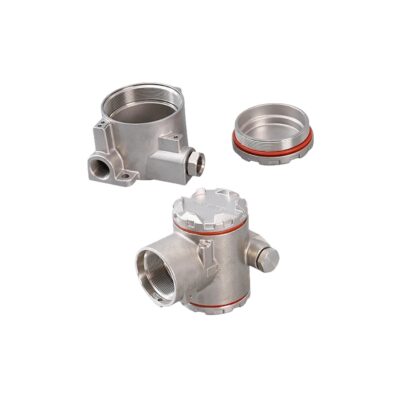
Our CNC machining range is organized into six component groups. Each group calls for a different balance of tool access, workholding, tolerance control and finishing. Review the corresponding product page and provide a drawing so that the manufacturing route can be assessed for the actual component.
Workholding, Finishing and Inspection
Workholding must support the component without damaging visible surfaces or distorting thin sections. Datum selection and machining sequence help control the relationship between features produced in different operations. Where several features must remain concentric or aligned, the drawing should specify the relationship and the inspection method appropriate to the assembly.
After machining, agreed operations may include deburring, edge breaking, polishing, cleaning or protective finishing. Internal burrs are particularly relevant to tubes, cross holes and passages. Inspection should distinguish critical functional dimensions from general dimensions, with material documentation, dimensional reports and other checks agreed against the purchase specification.
When to Choose CNC Machining
CNC machining is useful for prototypes, replacement components and repeat production where controlled interfaces or complex machined features are required. Evaluate material cost, machining time, stock removal, finishing and inspection together. For larger repeat quantities or complex near-net shapes, a prepared casting or another blank may be worth reviewing before the final machining route is selected.
What to Send for a Machining Quotation
- A dimensioned drawing, revision reference and available 3D model.
- Material grade, stock condition and any heat-treatment or hardness requirements.
- Critical tolerances, datum references, bore fits, thread forms and sealing interfaces.
- Deburring, surface finish, cleaning, marking and inspection requirements.
- Prototype quantity, annual demand, delivery schedule and packaging requirements.
Use the enquiry form beside this article or contact Hengke Casting with the component drawing and project requirements. We will review material, workholding, machining operations and inspection needs before preparing a quotation.